




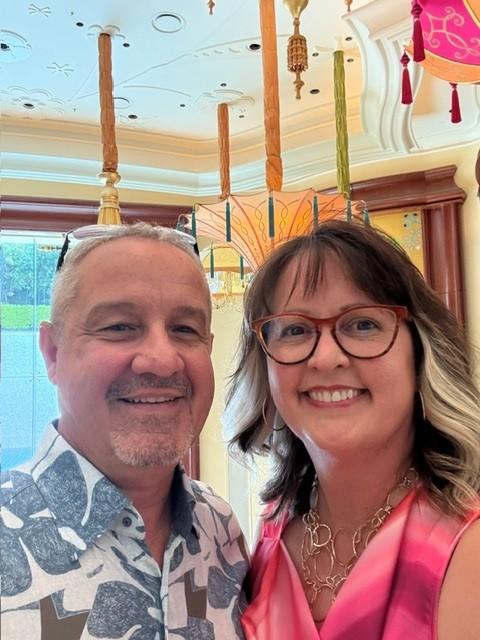
Every day, thousands of workers rely on safety professionals to identify hazards, strengthen systems and create safe workplaces that allow people to return home safely. John (’00, ’10) and Linda Loff-Peterson’s (’93) work has shaped safety practices across critical industries, including energy, utilities, construction, mining and engineering. Through decades of leadership, the Loff-Petersons have helped organizations prevent tragedies, develop stronger safety programs and create environments where employees feel empowered to speak up.
While their careers have taken different paths, they share UW-Stout Polytechnic as a common foundation. John's bachelor's degree in applied mathematics and master's degree in risk control gave him the analytical skills to interpret data and uncover trends, while Linda's degree in psychology provided an understanding of human behavior and the factors that influence workplace safety. “We came to the same point in safety, but we have such different backgrounds,” John said. “We complement each other.”
During their time at Stout, both discovered the value of applied learning and the importance of relationships with faculty and mentors. One of those moments came when Eino Maki encouraged John to pursue an opportunity that would shape his career. John was walking down the street with a fellow student when Maki pulled up in his car, rolled down the window and called out to them.
“He yells at us, ‘We have an internship. We have a co-op with IBM. You guys go up to my office and apply right now,’” John recalled. John applied, was accepted just days later and soon packed his bags for a co-op with IBM in San Jose, California.
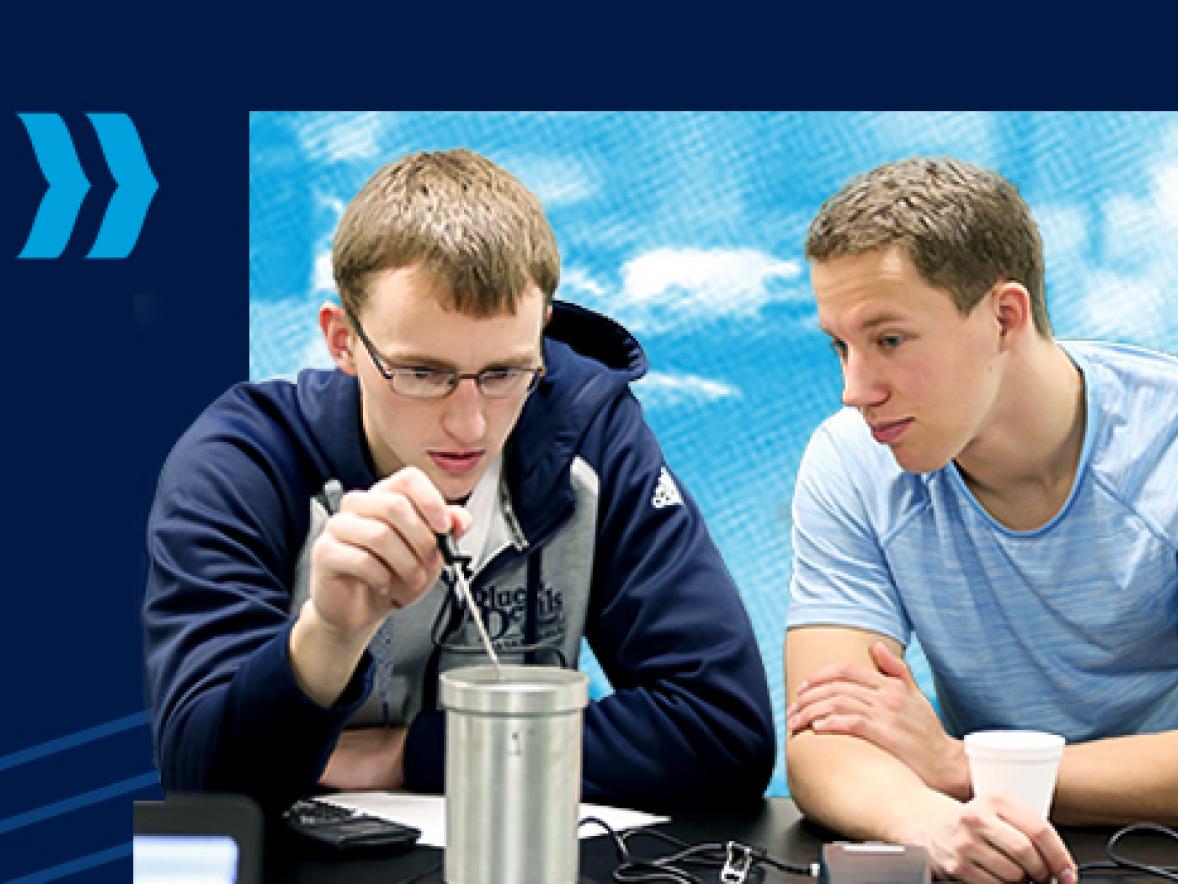
John also credits mentors in the risk control program with helping shape his approach to safety. Through the program, John went to Florida with Brian Beamer and fellow student Alberto Garcia to study carbon monoxide exposure from recreational boats through a project connected to the National Institute for Occupational Safety and Health.
At the time, it was common for people to tie two large recreational boats together, creating a floating gathering space where they could socialize and spend the night. But the setup also created a dangerous situation where exhaust from one boat could enter the sleeping areas of another, exposing people to carbon monoxide while they slept. Some boaters had died because of these exposures.
Working with those real-life scenarios helped John feel prepared when it came time to enter the workforce. “It wasn’t just sitting in a classroom,” John said. “It was real-world experience that made you feel more comfortable with what you were going to do out there.”
After graduating, Linda began a 28-year career with Xcel Energy after starting as an intern. Over the course of her career, she held a variety of safety leadership roles supporting corporate safety, plants, nuclear operations, transmission and distribution safety and compliance.
Her work required her to understand the unique risks employees faced in highly technical environments and develop systems that protected workers while allowing critical operations to continue safely.
One of Linda’s most impactful accomplishments at Xcel Energy was developing and strengthening confined space entry procedures for workers entering transformers. These spaces, while essential to maintaining critical energy infrastructure, can present serious hazards, including oxygen deficiencies, toxic gases and limited access for emergency response. The process was labor-intensive and difficult: Linda had to help build a comprehensive safety approach that included identifying hazards, establishing entry procedures, ensuring proper atmospheric monitoring and preparing rescue plans before workers ever entered these spaces.
“The consequences are real and potentially could be death,” Linda said. “Just because something is hard doesn’t mean you don’t have to do it.”
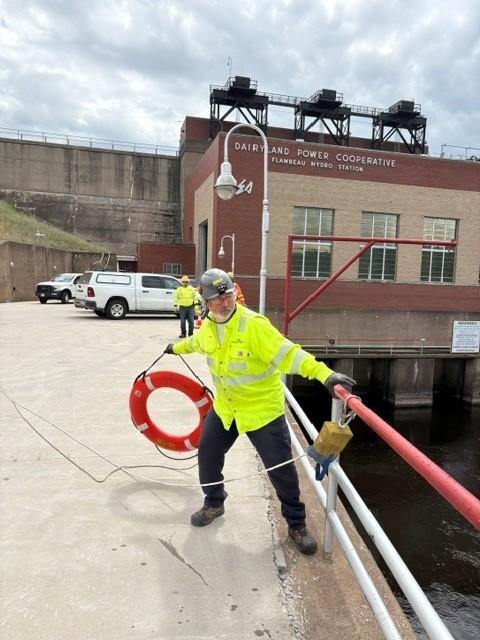
For Linda, the goal was always to make sure employees had the tools, training and protections they needed to complete difficult work safely. After retiring from Xcel Energy she moved into a safety role at Dairyland Power Company where she supports their “Safety First” culture. Throughout her career, Linda's efforts helped create a stronger safety culture where risks were recognized, addressed and managed before they could become life-threatening incidents.
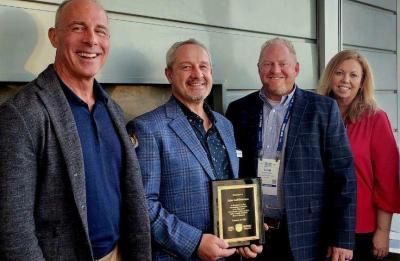
After graduating, John worked for a workers’ compensation insurance carrier before joining Market & Johnson where he supported industrial construction safety projects, including work connected to UW-Stout Polytechnic’s Memorial Student Center renovation. His career later took him into underground utility work and mining before he joined Barr Engineering. Today, he serves as vice president and health and safety manager, supporting approximately 1,200 employees across more than 20 offices. The company manages thousands of projects each year involving everything from environmental work and wildlife studies to construction, mining and hazardous materials. His role requires him to understand the risks employees face in vastly different environments and help teams develop solutions before problems occur.
One accomplishment John is most proud of is helping strengthen a culture where employees feel comfortable raising concerns and asking questions before small issues become bigger problems. "I strongly feel the psychological safety has grown," John said. Today, employees routinely reach out about potential hazards, whether they are working on steep slopes, managing heat exposure or identifying risks on a job site.
John's impact also reaches beyond the thousands of employees supported by Barr Engineering. Through leadership roles with national and regional safety organizations, he has helped shape the profession itself. As past chair of the International Academy of Mine Safety & Health, he has helped oversee development of the Certified Mine Safety Professional credential, while his work with the Minnesota Mine Safety Association, Western Wisconsin Safety Council and Western Wisconsin Sand Safety Peer Group has connected safety professionals, expanded training opportunities and shared best practices across the mining, construction and industrial sectors.
"You can only impact so many people within your own organization," John said. "When you get involved in professional organizations, you have the opportunity to impact an entire profession."
For both John and Linda, safety is about more than regulations or procedures. It is about the people those systems protect. “Ultimately, it’s about helping people,” John said. “When somebody gets hurt, it’s not just a number.”
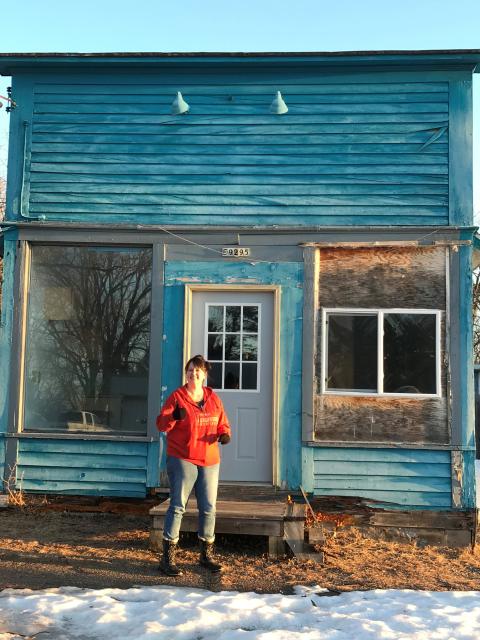
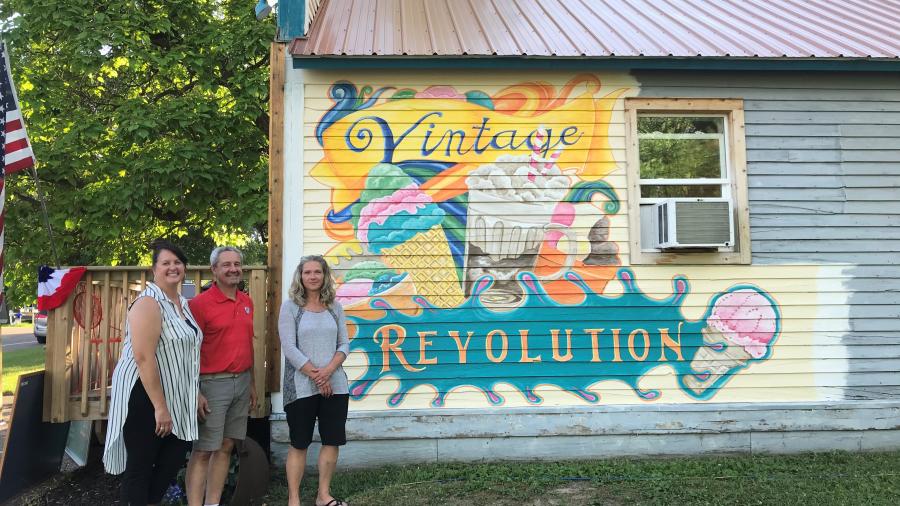
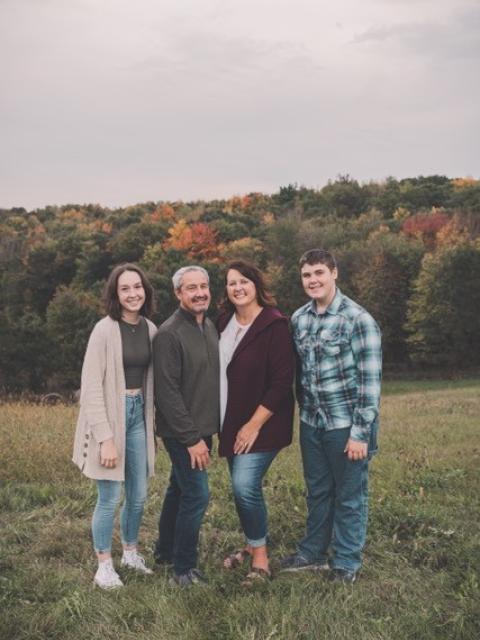
Their commitment to people extends beyond their professional careers. In 2019, the Loff-Petersons restored a historic building in Rock Falls and transformed it into an ice cream shop that they owned and operated through 2024. What began as an effort to save a deteriorating building became a community gathering place, provided jobs for local students and helped revitalize the area.
The shop’s connection to Stout continued through a mural painted by former classmate and UW-Stout faculty member Ann Oberding. “It was really community revitalization,” John said. “It was for the community and for the kids to have jobs.”
For John and Linda, being #StoutProud comes back to the education, relationships and mindset they gained at UW-Stout Polytechnic.
"It taught me how to think," John said. "How to investigate, how to research, how to not just take something at face value." That mindset continues to guide their work as they challenge organizations to think differently about safety, protect workers and build stronger workplace cultures.